

Our Treatments
Here are some of the techniques that we use at The Mobile Injury Clinic. To make sure that we are giving you the best care that you deserve, we modify the way in which we carry out that specific technique to suit you.
Soft Tissue Therapy/Sports Massage
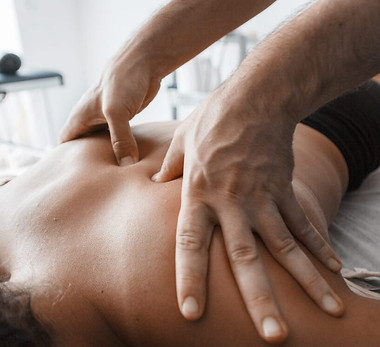
Soft tissue therapy and sports massage use targeted hands-on techniques to reduce muscle tension, improve tissue mobility, and relieve discomfort caused by overuse, strain, or postural load. Treatment focuses on muscles, tendons, and fascia to address tightness, trigger points, and movement restrictions that can contribute to pain and reduced performance. Sessions can help improve range of motion, support recovery between training, and reduce the feeling of stiffness or heaviness in affected areas. Pressure is always tailored to your comfort, from gentle release work to deeper sports massage, depending on what the tissues and your symptoms require.
Chiropratic Adjustments
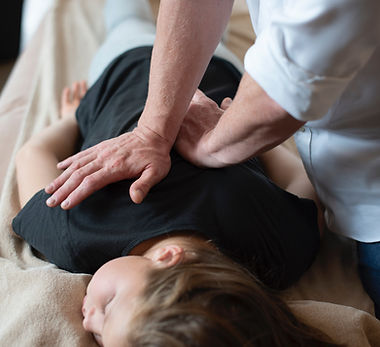
Chiropractic adjustments are specific, controlled manual techniques applied to spinal or joint segments to improve movement and reduce joint-related pain. TMIC uses diversified adjusting techniques, selecting the most appropriate contact, direction, and set-up for the joint involved. Adjustments aim to restore normal joint mechanics, ease stiffness, and help the nervous system and surrounding tissues function more comfortably. They are quick, precise, and delivered within your tolerance, with force and technique tailored to the individual. Some people notice immediate relief or improved range of motion, while it can take time with others.
Trigger Point Therapy

Trigger point therapy targets sensitive, tight areas within muscle, often felt as “knots”, that can refer pain to other regions. By applying sustained, precise pressure and release techniques, it helps reduce local tenderness, calm referred pain patterns, and restore smoother muscle function. This approach is commonly used for neck and shoulder tension, headaches, upper back pain, and hip or gluteal tightness that contributes to lower-limb symptoms. Treatment is focused and can feel intense but should remain tolerable. Many people notice reduced tightness and improved movement shortly after, especially when combined with appropriate mobility and strengthening work.
Strength & Conditioning

Strength and conditioning focuses on building the physical qualities that support performance and reduce injury risk, strength, power, endurance, stability, and movement efficiency. It’s not just “getting stronger”; it’s training the right tissues and patterns for your sport, job, and body. Programmes are designed to improve capacity through the hips, trunk, and shoulders, enhance control during running, lifting, and change of direction, and develop resilience to training loads. Whether your goal is returning after injury, improving performance, or preventing recurring issues, strength and conditioning provides a clear progression that helps you move better, tolerate more, and perform with confidence.
TENS

TENS (Transcutaneous Electrical Nerve Stimulation) is a safe, non-invasive therapy that uses mild electrical pulses delivered through pads on the skin to help reduce pain and muscle tension. The stimulation can interfere with pain signals and encourage the body’s natural pain-relieving responses, making symptoms feel calmer and more manageable. TENS is often used for back or neck pain, joint discomfort, and muscle spasm, particularly during acute flare-ups. The intensity is always set within your comfort, and many people describe it as a pleasant tingling sensation. It can be a helpful addition to hands-on care and rehabilitation.
Muscle Energy Techniques

Muscle Energy Techniques (MET) are gentle, hands-on methods that use your own controlled muscle contractions against resistance to reduce tightness, improve joint movement, and restore normal muscle function. They’re commonly used for areas such as the neck, hips, pelvis, and lower back where stiffness or imbalance is limiting range of motion. MET can help “reset” muscle tone, reduce protective spasm, and improve coordination around a joint without forceful manipulation. Stretching is then used to reinforce these gains, improve flexibility, and support long-term mobility. Both approaches are tailored to your comfort and are particularly useful when movement feels restricted or asymmetrical.